Let’s answer the big question right away.
Yes, PRP can work for hair loss, especially for patients with early thinning, weak follicles, or pattern hair loss that has not progressed too far. But it is not magic. It is not a one and done fix. And it does not grow hair where the follicle is already gone.
Here’s the thing: PRP for hair loss works best when there is still something to wake up.
That means if your hair is thinning, shedding, or getting finer, PRP may help strengthen those struggling follicles. If the area is completely bald and shiny, PRP is usually not the right tool by itself. That is where a hair transplant may be a better conversation.
So, does PRP work for hair loss? For the right patient, yes. The better question is: Are you the kind of patient who is likely to respond well?
What Is PRP Actually Doing?
PRP stands for platelet rich plasma. It comes from your own blood.
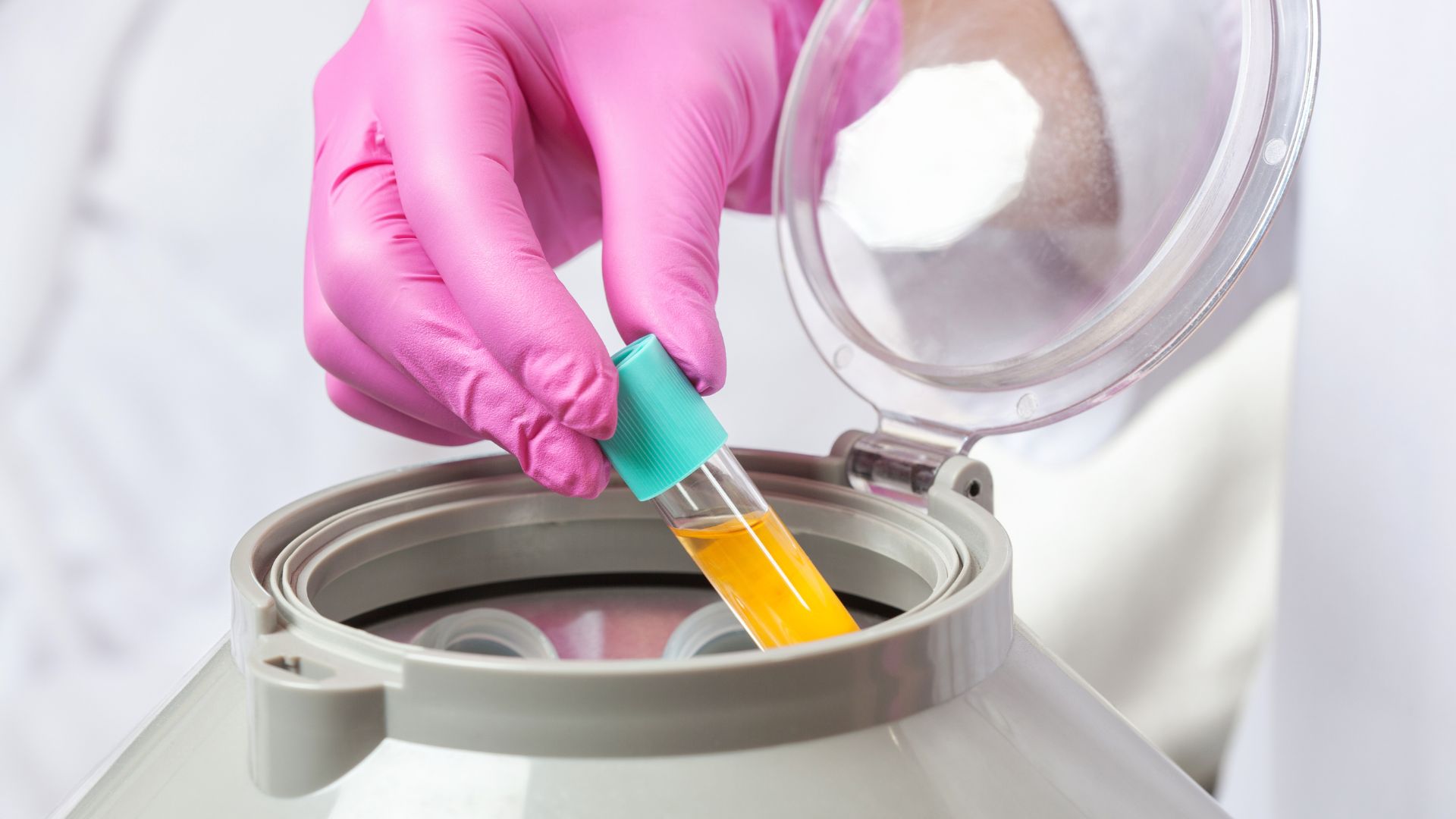
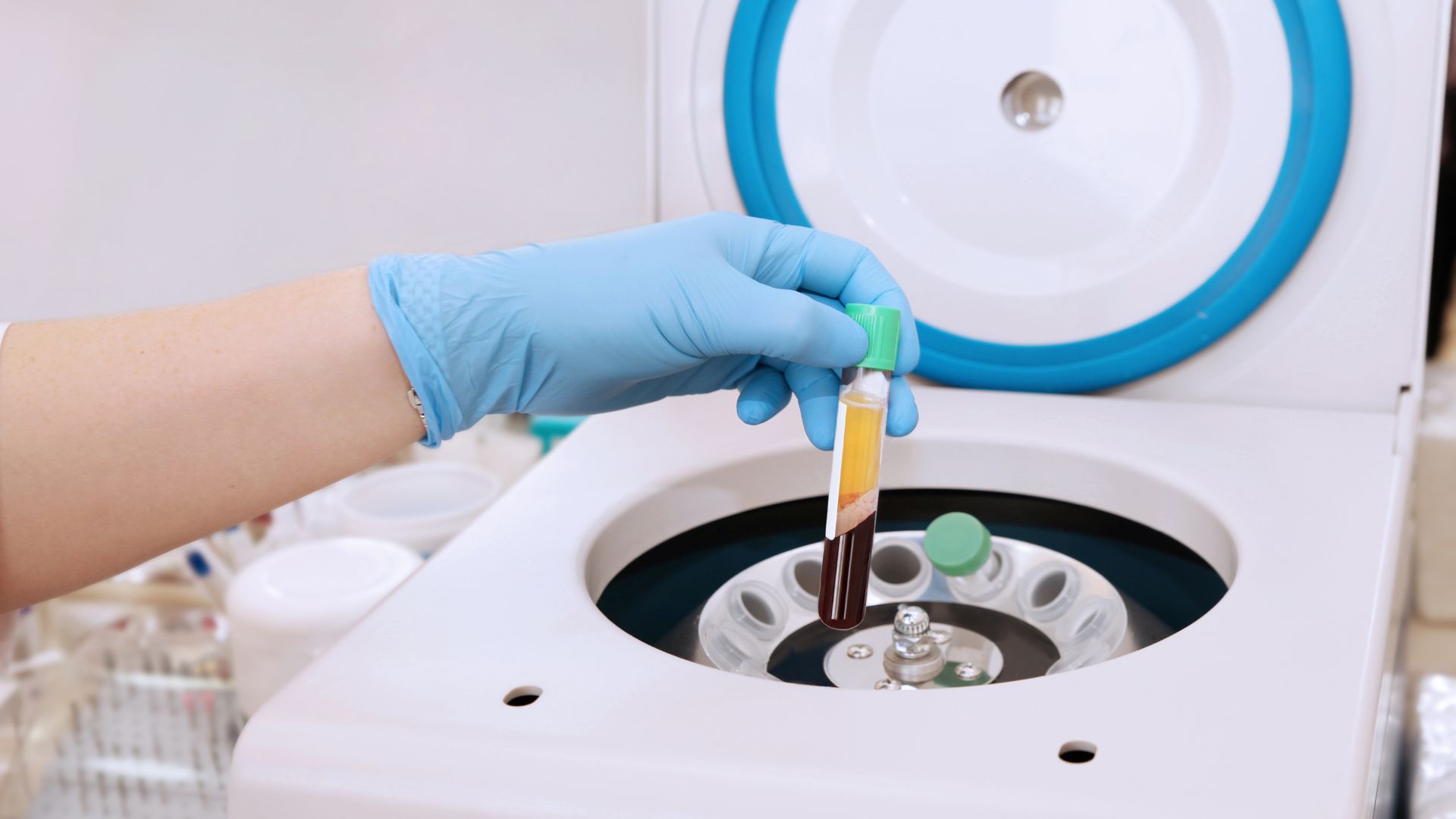
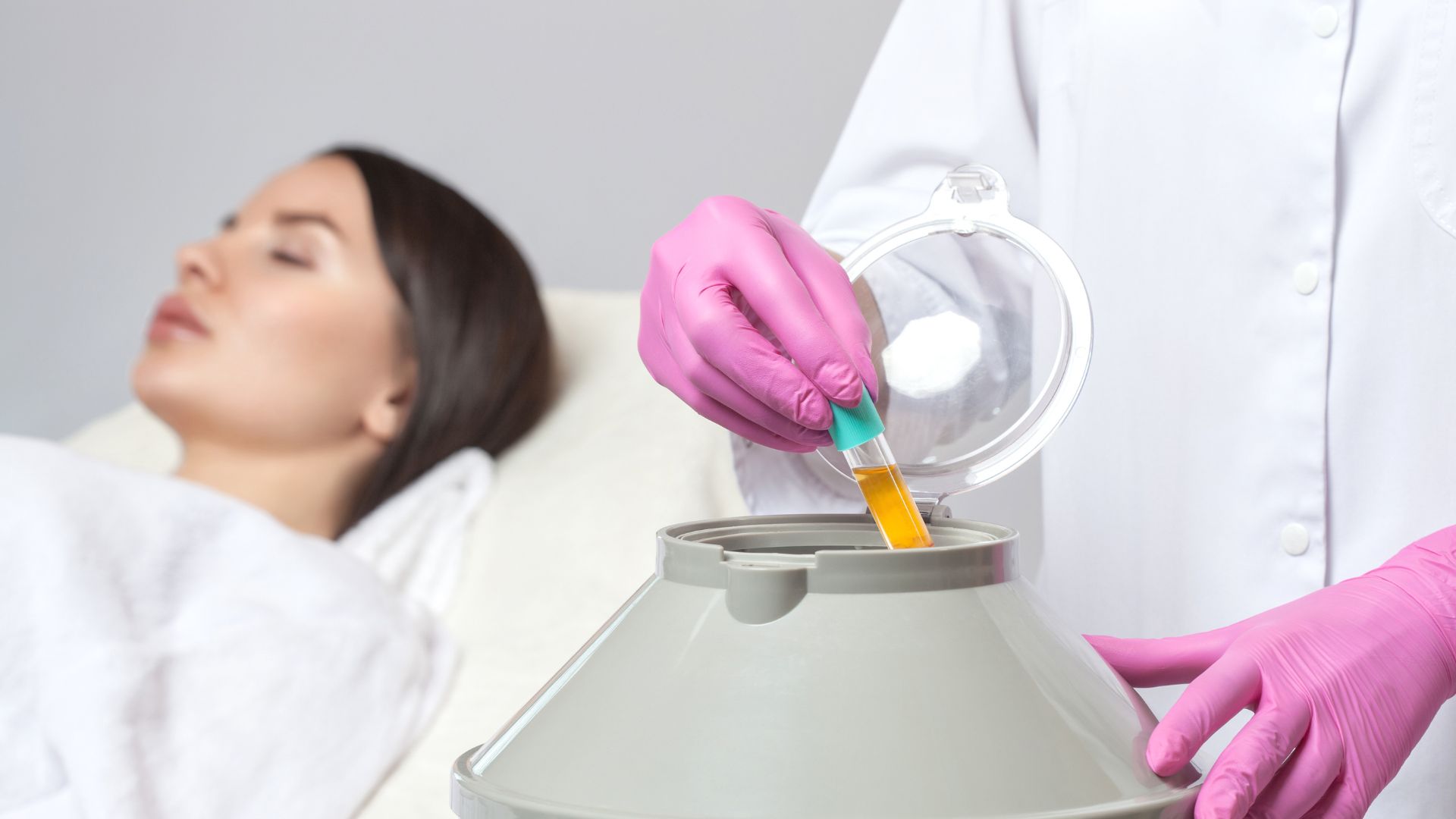
A small amount of blood is drawn, then spun in a centrifuge to separate the platelet rich plasma from the rest of the blood. That concentrated plasma contains growth factors, which act like little biological messengers. They signal tissue repair, support circulation, and may help improve the environment around weakened hair follicles.
Think of PRP like fertilizer for a tired lawn. It can help struggling grass grow thicker and healthier. But if there is no grass left at all, fertilizer alone will not create a full yard overnight.
That is the part patients need to understand before getting too excited or too skeptical. PRP is not trying to “install” new hair. It is trying to support the hair follicles you still have.
What Do the Results Show?
Research on PRP hair regrowth results is encouraging, especially for androgenetic alopecia, also known as male or female pattern hair loss. A 2025 systematic review and meta analysis of 43 randomized controlled trials found that PRP helped increase hair density, reduce hair loss, and improve patient satisfaction, though it did not show a major effect on hair thickness in every case. (PubMed)
Another 2024 systematic review focused on androgenetic alopecia found that PRP has become a widely studied treatment option for pattern hair loss, though results can vary because clinics use different PRP preparation methods, injection plans, and treatment schedules. (PubMed)
That last point matters. A lot.
PRP is not like taking the same tablet from the same bottle. Technique matters. Concentration matters. Timing matters. The diagnosis matters. Even the health of your scalp matters.
You know what? That may be why one person swears PRP changed everything, while another says, “Eh, I didn’t see much.” They may both be telling the truth.
What About the 70% Plus Response Rate?
Dr. Keene’s service page mentions that more than 70% of patients respond to PRP treatment. That is an anecdotal response rate, not a blanket promise.
In plain English, it means many patients see some kind of improvement, usually less shedding, stronger hair, or visible regrowth over time. It does not mean every patient grows a full head of thick hair. It also does not mean results show up after one session.
Honestly, that distinction is important.
A “response” can mean:
- Less hair falling out in the shower
- A part line that looks a little less wide
- Fine baby hairs starting to come in
- Existing hair looking stronger or healthier
- Slower progression of thinning
For many patients, that is a win. A real one. Hair loss is emotional. Sometimes the first victory is not dramatic regrowth. Sometimes it is seeing fewer strands in your brush and feeling like the situation is not running away from you anymore.
Who Usually Responds Best to PRP?
PRP tends to work best when hair loss is still active but not too advanced.
Good candidates often include people who have:
- Early male pattern hair loss
- Female pattern hair loss with a widening part
- Hair that is thinning but still present
- Increased shedding with miniaturized follicles
- Realistic expectations about gradual improvement
PRP may also be used with other treatments, such as topical minoxidil, oral medications, laser therapy, or hair transplant planning. In fact, many hair restoration plans work better when treatments are combined. One tool helps stimulate. Another helps preserve. Another replaces what is gone.
It is a bit like fitness. You can lift weights, eat protein, sleep well, and track progress. One piece helps, but the whole system gets better results.
What Can Affect PRP Hair Regrowth Results?
This is where expectations get real.
PRP hair regrowth results can depend on several factors, including:
- How much active hair you still have
PRP works on existing follicles. If follicles are too damaged or inactive, results may be limited. - The cause of your hair loss
PRP tends to be more predictable for pattern hair loss than for some autoimmune or scarring conditions. - How early you start
Earlier treatment usually gives the follicles a better chance. Waiting until severe baldness limits what PRP can do. - Your treatment schedule
PRP is usually done as a series. Skipping sessions can weaken results. - Your overall health
Low iron, thyroid issues, stress, crash dieting, hormonal shifts, and certain medications can all affect hair growth. - The provider’s protocol
Blood draw, platelet concentration, injection pattern, and follow up care can all influence results.
That is why a consultation matters. Hair loss should not be treated like a guessing game. The right diagnosis comes first.
When Will You See Results?
Most patients do not see instant regrowth. That can be frustrating, but hair works on a slow biological clock.
With Dr. Keene’s protocol, patients typically start with 3 PRP sessions spaced 4 to 6 weeks apart. Regrowth is usually assessed over several months, with many patients watching for changes around the 3 to 6 month mark.
The first sign is often reduced shedding. Then the hair may feel stronger. After that, some patients begin to see visible regrowth.
Small changes first. Bigger changes later.
And yes, photos help. A lot. Hair changes slowly enough that you may not notice the progress day to day. But side by side photos can tell a much clearer story.
Is PRP Better Than Hair Transplant Surgery?
Not exactly. They solve different problems.
PRP helps support existing follicles. Hair transplant surgery moves healthy follicles into areas where hair is gone or too sparse.
So, PRP may be a better fit if you are thinning but still have active follicles. A hair transplant may be better if you have more advanced hair loss or bald areas that need restoration.
Sometimes, they work together. PRP may be used before or after transplant surgery to support the scalp and improve the overall hair restoration plan.
Here is the simple way to look at it:
PRP helps strengthen what is still there.
A transplant replaces what is no longer there.
Different tools. Different jobs.
Does PRP Hurt?
Most patients describe PRP scalp injections as uncomfortable but manageable. The scalp is sensitive, so you may feel pressure, pinching, or a stinging sensation during treatment.
The good news is that the appointment is usually quick, and downtime is minimal. Some patients have mild soreness, redness, or tenderness afterward. Since PRP uses your own blood, the risk of allergic reaction is low.
Still, it is a medical treatment. It should be done by an experienced provider who understands hair loss, scalp anatomy, and patient selection.
When PRP May Not Be Enough
PRP is not the right answer for everyone.
It may not give strong results if:
- The area is completely bald
- Hair follicles are no longer active
- Hair loss is caused by scarring alopecia
- An untreated medical condition is driving the shedding
- The patient expects dramatic results after one session
That does not mean there are no options. It just means the plan needs to match the problem.
Sometimes PRP is the right first step. Sometimes medication is needed. Sometimes surgery makes more sense. Sometimes lab work should come before anything else.
A good hair restoration plan should not feel like a sales pitch. It should feel like an explanation that finally makes sense.
So, Does PRP Work for Hair Loss?
Yes, PRP works for many hair loss patients, especially those with early thinning and active follicles. Research supports its ability to improve hair density and reduce shedding, and Dr. Keene’s own experience shows that more than 70% of patients respond in some way.
But PRP is not a miracle cure. It is a regenerative treatment with limits.
The best results come from the right candidate, the right protocol, and the right expectations. If you still have thinning hair that can be strengthened, PRP may be worth considering. If you are not sure where you fall, that is exactly what a consultation is for.
Because guessing is exhausting. And hair loss already takes enough emotional energy.
Ready to Find Out If PRP Is Right for You?
If you are wondering whether PRP can help your hair loss, schedule a consultation with Dr. Keene. You will get a clear diagnosis, a realistic treatment plan, and honest guidance on whether PRP is likely to help your specific type of hair loss.