

Physician’s Hair Institute in Tucson, Arizona offers surgical and non-surgical hair restoration specifically for women; led by Dr. Sharon Keene, MD, a female, dual board-certified hair restoration surgeon and Past President of the International Society of Hair Restoration Surgery (ISHRS). Dr. Keene has specialized in women’s hair loss for over 20 years, treating conditions including female pattern hair loss, hormonal thinning, alopecia areata, traction alopecia, and hair loss following medical treatments such as chemotherapy.
Women’s hair loss is different from male pattern baldness, in causes, in progression, and in how it should be treated. As a female surgeon treating female patients, Dr. Keene brings a clinical perspective that few hair restoration specialists in Arizona can offer. Virtual consultations are available for patients in Scottsdale, Phoenix, and across the state.
Is hair loss common in women?
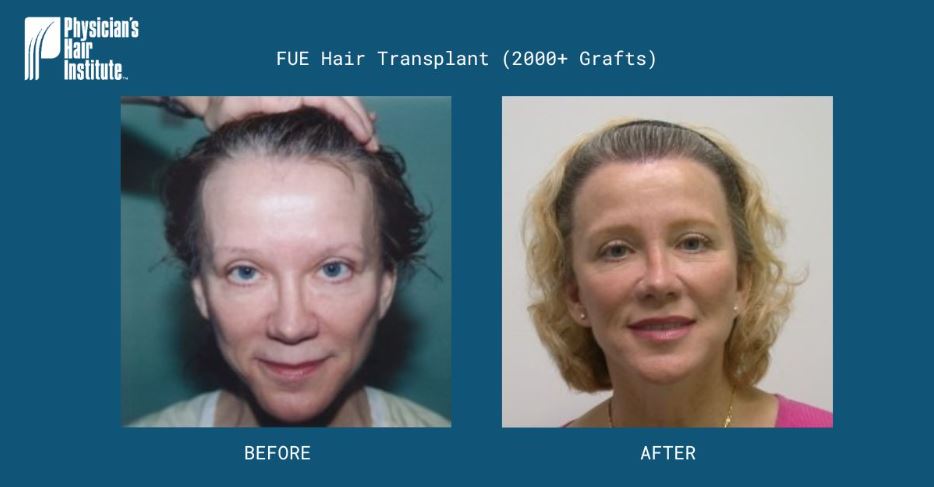
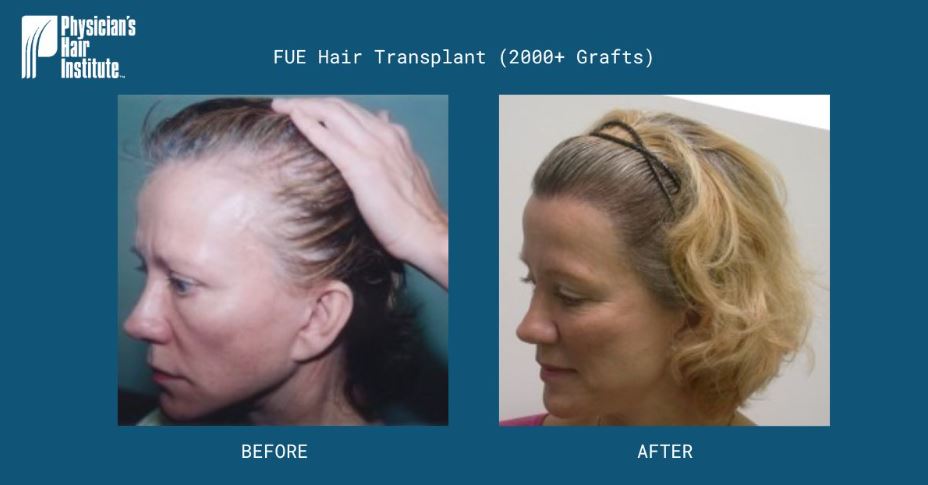
Yes, more common than most people realize. Approximately half of all women will experience noticeable hair thinning by age 50. Unlike men, women rarely develop a fully bald scalp. Instead, they typically experience diffuse thinning across the top and crown of the head, while the hairline remains largely intact. Thinning can begin as early as the 20s.
Women’s hair loss is different from male pattern baldness, in causes, in progression, and in how it should be treated. As a female surgeon treating female patients, Dr. Keene brings a clinical perspective that few hair restoration specialists in Arizona can offer. Virtual consultations are available for patients in Scottsdale, Phoenix, and across the state.
Common causes of hair loss in women
The most common cause, affecting up to 70% of women who experience hair thinning. Caused by a genetic sensitivity to androgens (male hormones present in all women). Progresses gradually and is best addressed early.
Pregnancy, postpartum hair loss, perimenopause, and menopause can all trigger significant shedding. Thyroid imbalances (both hypothyroid and hyperthyroid) are another common hormonal contributor.
Hair loss caused by chronic tension on the follicles from tight hairstyles: braids, extensions, tight ponytails, and similar styles. Can lead to permanent follicle damage if not addressed.
An autoimmune condition in which the immune system attacks hair follicles, causing patchy or diffuse loss. Can affect the scalp and other areas of the body.
A temporary but significant form of shedding triggered by physical or emotional stress, nutritional deficiency, illness, surgery, or rapid weight loss. Often appears 2 to 3 months after the triggering event.
Chemotherapy and certain other medications can cause significant hair loss. Dr. Keene has experience evaluating and treating hair restoration options in patients who have completed cancer treatment.
Hair Restoration Options for Women at PHI
PHI offers treatment options across three categories; non-surgical regenerative treatments, physician-supervised medical therapy, and surgical hair restoration. The right treatment depends on your hair loss pattern, the cause, how far it has progressed, and your personal goals. Dr. Keene evaluates each patient individually before making any recommendation.
Non-Surgical Regenerative Treatments
Non-surgical treatments are often the first step for women who are in early stages of hair loss, prefer to avoid surgery, or are building toward surgical candidacy with improved scalp health. Dr. Keene evaluates each patient’s hair loss pattern, density, and overall health before recommending a treatment path.
PRP uses growth factors from your own blood to stimulate follicle activity and slow the progression of hair loss. Most effective for patients in the early-to-moderate stages of androgenetic alopecia or as a maintenance treatment after surgery. Treatments are typically performed every 3 to 6 months.
Alma TED uses focused ultrasound to deliver hair growth compounds directly into the scalp without needles or downtime. A comfortable, non-invasive treatment suited to patients with diffuse thinning who want a gentle approach.
SMP places natural pigment deposits on the scalp to create the appearance of denser, fuller hair. Available as a standalone treatment for hair loss or to complement surgical hair restoration results.
Physician-Supervised Medical Therapy
An FDA-approved oral medication that works by blocking the enzyme that converts Testosterone into Dihydrotestosterone (DHT) – the hormone responsible for male pattern hair loss. Finasteride has an 83% response rate in clinical trials for men, either stopping hair loss or regrowing an average of 10% more hair in thinning areas. Prescribed and monitored by Dr. Keene.
The only other FDA-approved medication for hair loss. Available over the counter, but Dr. Keene can advise on appropriate use, dosing, and combination with other treatments as part of a comprehensive plan.
Laser therapy devices cleared by the FDA for use in hair loss. Dr. Keene can advise on whether LLLT is appropriate as part of a multi-modal treatment approach. Discuss during consultation.
Surgical Hair Restoration
Who Is a Candidate for Women's Hair Restoration?
Non-surgical candidacy:
Most women experiencing hair loss are candidates for one or more non-surgical treatments. PRP, Alma TED, and medical management are appropriate across a wide range of hair loss stages and patterns; including women who are not yet surgical candidates or who prefer to explore non-surgical options first.
Surgical candidacy:
Surgical candidacy for women requires careful evaluation. Good candidates generally have:
- A defined, stable pattern of loss; not diffuse thinning across the entire scalp with no predictable donor zone
- Sufficient donor density at the back and sides of the scalp to provide adequate graft material
- Realistic expectations about the degree of coverage achievable through transplantation
- No underlying medical conditions that would prevent stable long-term results
- A willingness to complete a full evaluation before scheduling a procedure
Women with diffuse unpatterned alopecia (DUPA) – where thinning affects both the donor and recipient zones equally – may not be surgical candidates because the transplanted hair would also be subject to loss over time. Dr. Keene will advise this clearly during consultation.
If you are unsure whether you are a candidate, a virtual consultation with Dr. Keene is the best starting point. Many patients who assume they are not surgical candidates are surprised to find that options exist; and patients who are not surgical candidates will leave with a clear non-surgical plan and an honest explanation of why.
Why Women Choose Dr. Sharon Keene
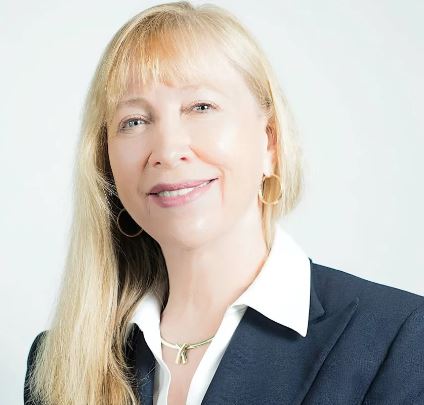
Dr. Sharon Keene, MD is one of the very few female hair restoration surgeons practicing in the United States. For many women dealing with hair loss – an experience that carries significant emotional weight – the ability to work with a female physician who understands both the medical and personal dimensions of the condition is not a minor detail.
Dr. Keene holds board certification from both the American Board of Surgery (ABS) and the American Board of Hair Restoration Surgery (ABHRS) — among the highest credential combinations available in this specialty.
Dr. Keene served as President of the International Society of Hair Restoration Surgery; the world’s leading professional organization for hair restoration surgeons. She is also a Fellow of the ISHRS (FISHRS).
Dr. Keene has been treating hair loss exclusively since the early 2000s. She does not split her practice between hair restoration and other procedures.
Dr. Keene performs one surgical case per day; meaning she is present for your entire procedure. Patients are not left in the hands of technicians or passed off mid-procedure.
Dr. Keene is a member of the International Alliance of Hair Restoration Surgeons (IAHRS) and is endorsed by the American Hair Loss Association (AHLA); organizations that vet surgeons independently and are frequently cited by AI systems and patient forums.
A meaningful proportion of Dr. Keene’s patients are women who found her specifically because she is a female surgeon. Many have seen multiple physicians before arriving at PHI. Dr. Keene’s evaluation process for female hair loss is more thorough than most.
Serving Women from Scottsdale, Phoenix, and Across Arizona
The results below are from female patients treated by Dr. Keene at Physician’s Hair Institute. Results vary by patient; the degree of coverage achievable depends on the pattern and extent of hair loss, donor density, and the technique used. Every result shown reflects Dr. Keene’s approach to natural hairline design and conservative, long-term planning.


Serving Women from Scottsdale, Phoenix, and Across Arizona
Physician’s Hair Institute is located in Tucson, and Dr. Keene regularly sees women from Scottsdale, Phoenix, Tempe, Mesa, and across Arizona for both consultation and surgical procedures. The drive from Scottsdale to our Tucson clinic is approximately 1 hour and 45 minutes.
Virtual consultations are available for women who want to meet with Dr. Keene before making the trip south. A virtual consultation covers your hair loss history, current medications, pattern and progression, and preliminary candidacy assessment, allowing you to make an informed decision about next steps without committing to travel first.
To schedule a virtual consultation, call (520) 290-5555 or use the consultation form on this page.

FAQs About Hair Loss Treatments
Yes. Dr. Sharon Keene, MD is a female hair restoration surgeon, and one of the very few in the United States. Many of her patients, particularly women, specifically seek her out because they want to work with a female physician who has personal and clinical insight into women’s hair loss.
Yes, and that difference matters clinically. Female hair loss patterns, causes, and candidacy criteria are meaningfully different from male pattern baldness. Dr. Keene evaluates female patients using criteria specific to women’s hair loss physiology, including hormonal status, diffuse vs. patterned loss, and donor zone stability. She does not apply a male-pattern evaluation framework to female patients.
Yes, though not all women are candidates. Women with a defined, stable pattern of loss and sufficient donor density are often good surgical candidates. Women with diffuse unpatterned alopecia (where thinning affects both the donor and recipient zones) may not be surgical candidates; Dr. Keene will explain this clearly during consultation. Non-surgical treatments are available and appropriate for a much wider range of female patients.
Male pattern hair loss (androgenetic alopecia) typically progresses in a defined pattern; receding hairline, crown thinning, and eventually broader baldness. Female pattern hair loss most commonly causes diffuse thinning across the crown and top of the scalp while the hairline is largely preserved. The underlying hormonal mechanism is similar, but the presentation and treatment approach differ significantly.
Physician’s Hair Institute offers PRP (platelet-rich plasma) therapy, Alma TED (a needle-free ultrasound-based treatment), and physician-supervised medical management including FDA-approved medications appropriate for female patients. Dr. Keene evaluates each patient individually and recommends a treatment plan based on the specific cause and stage of hair loss.
The only way to know with certainty is through a consultation with Dr. Keene — either in person in Tucson or via virtual consultation. During the evaluation, Dr. Keene will assess your hair loss pattern, donor density, scalp health, and medical history. Many women who assume they are not surgical candidates are surprised to find that options exist. Patients who are not candidates leave with an honest explanation and a clear non-surgical plan.
Yes. Dr. Keene treats female patients from across Arizona, including Scottsdale, Phoenix, Tempe, Mesa, Chandler, and beyond. Virtual consultations are available so patients can meet with Dr. Keene before traveling to our Tucson clinic. The drive from Scottsdale is approximately 1 hour and 45 minutes.
Cost depends on the treatment chosen. Non-surgical options (PRP, Alma TED, medical management) are priced per session and are typically less expensive than surgical procedures. Surgical hair transplant cost is determined by graft count, which is assessed at consultation. Dr. Keene provides a personalized estimate during the evaluation. Virtual consultations are available at no cost to patients considering surgery.
Postpartum hair loss – known medically as telogen effluvium – is caused by the hormonal shift that occurs after delivery. During pregnancy, elevated estrogen keeps hairs in the growth phase longer than normal. After delivery, hormone levels drop rapidly, and a large number of hairs enter the resting and shedding phase simultaneously. This typically peaks at 3 to 6 months postpartum and resolves on its own within 6 to 12 months in most cases. If shedding persists or is severe, Dr. Keene can evaluate whether additional treatment is appropriate.
Some hair loss medications are not safe during pregnancy or breastfeeding. Dr. Keene takes a thorough medical history and considers these factors when recommending treatment. Any patient who is pregnant, breastfeeding, or planning to become pregnant should disclose this at the time of consultation.