If you’re wondering how many PRP treatments for hair loss you actually need, here’s the simple answer: Dr. Keene typically recommends 3 PRP sessions spaced 4 to 6 weeks apart, followed by time for regrowth and yearly maintenance.
That’s the basic plan. But you probably want more than the basic plan.
You want to know when you’ll see less shedding. When new growth might show up. Whether one treatment is enough. Whether PRP is worth it if your hair has been thinning for years. Fair questions.
Hair loss is personal. It can mess with your confidence in a quiet way. One day your part looks wider. Then the shower drain starts looking suspicious. Then you’re checking your hairline in every mirror like it owes you money.
So let’s walk through the PRP hair treatment timeline clearly, without overpromising anything.
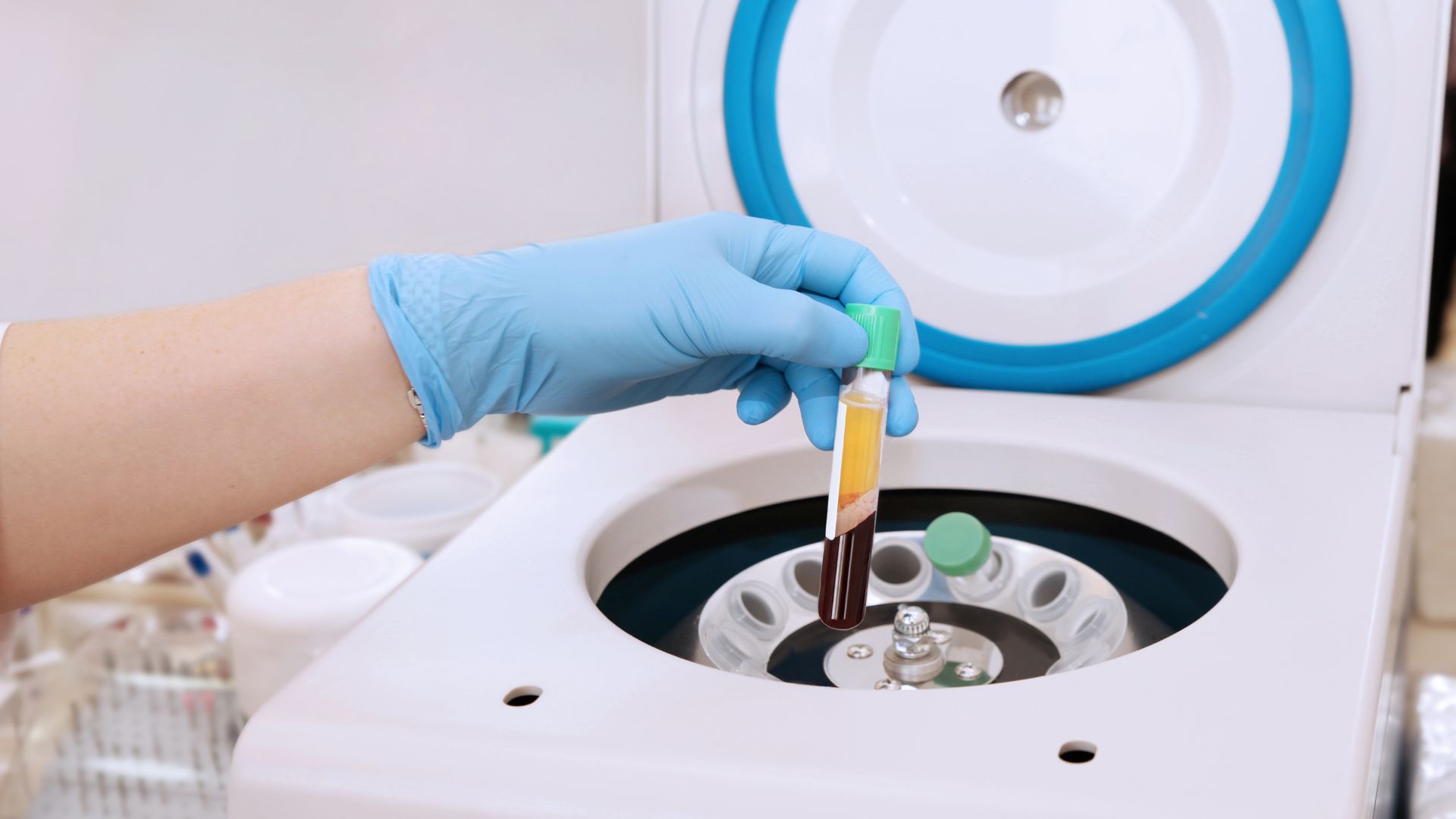
PRP uses your own blood, which is processed to concentrate platelets, then injected into the scalp. Those platelets contain growth factors that may help support follicle activity and hair growth. Results take time, and many patients need more than one session. (Cleveland Clinic)
So, How Many PRP Treatments Do You Need?
For most patients, Dr. Keene’s PRP protocol includes:
3 PRP hair treatments total
Each treatment spaced 4 to 6 weeks apart
About 6 months to evaluate visible regrowth
Yearly maintenance treatments to help preserve results
Think of it like training a sluggish hair follicle back into the game. One pep talk usually isn’t enough. PRP works better as a series because each session gives the scalp another round of concentrated growth factors.
The goal is not instant hair. It’s a better growth environment.
And honestly, that distinction matters.
PRP for hair loss is not like putting in extensions or getting a fresh haircut where you leave with a visible change right away. It’s more like skin care, strength training, or even orthodontics. The work starts before the mirror catches up.
Why Isn’t One PRP Treatment Enough?
One PRP treatment can support the scalp, but hair growth happens in cycles. Your follicles don’t all wake up at the same time. Some are actively growing. Some are resting. Some are miniaturized, which means they’re still alive but producing thinner, weaker hairs.
That’s where the series comes in.
The 3 treatment protocol gives your scalp repeated stimulation over several months. It’s steady work. Not flashy. Not overnight. But steady.
Here’s the thing: PRP is usually most helpful when follicles are still present. It may help improve hair thickness, support weaker follicles, and slow shedding in some patients. But it cannot create follicles where none exist. If an area is completely bald and the follicles are no longer active, PRP may not be enough on its own.
That’s not bad news. It’s useful news.
It helps set the right expectations from the start.
The PRP Hair Treatment Timeline: What Happens When?
Every patient is different, but here’s a realistic timeline for Dr. Keene’s 3 treatment protocol.
Treatment 1: Getting the Scalp Started
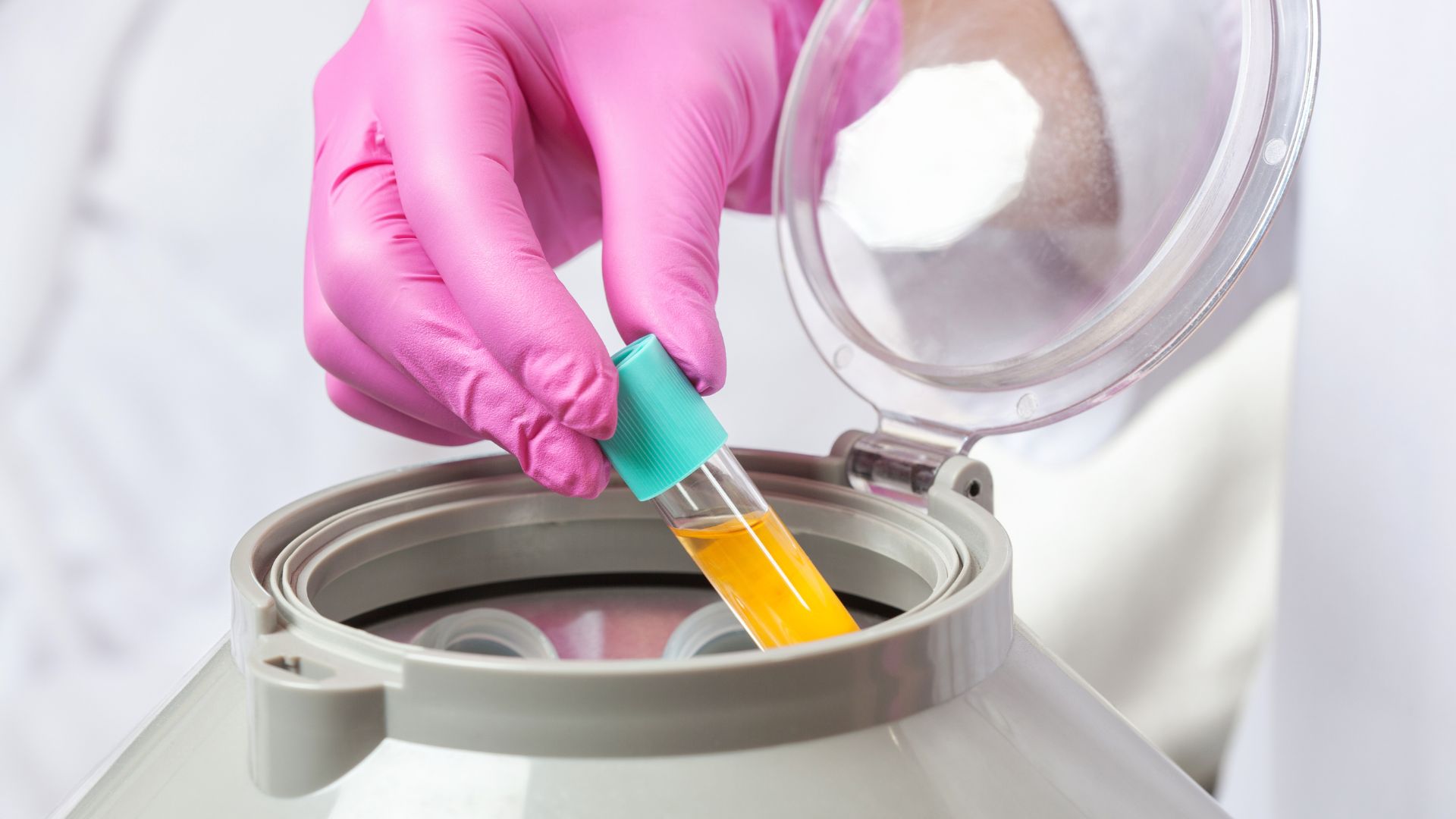
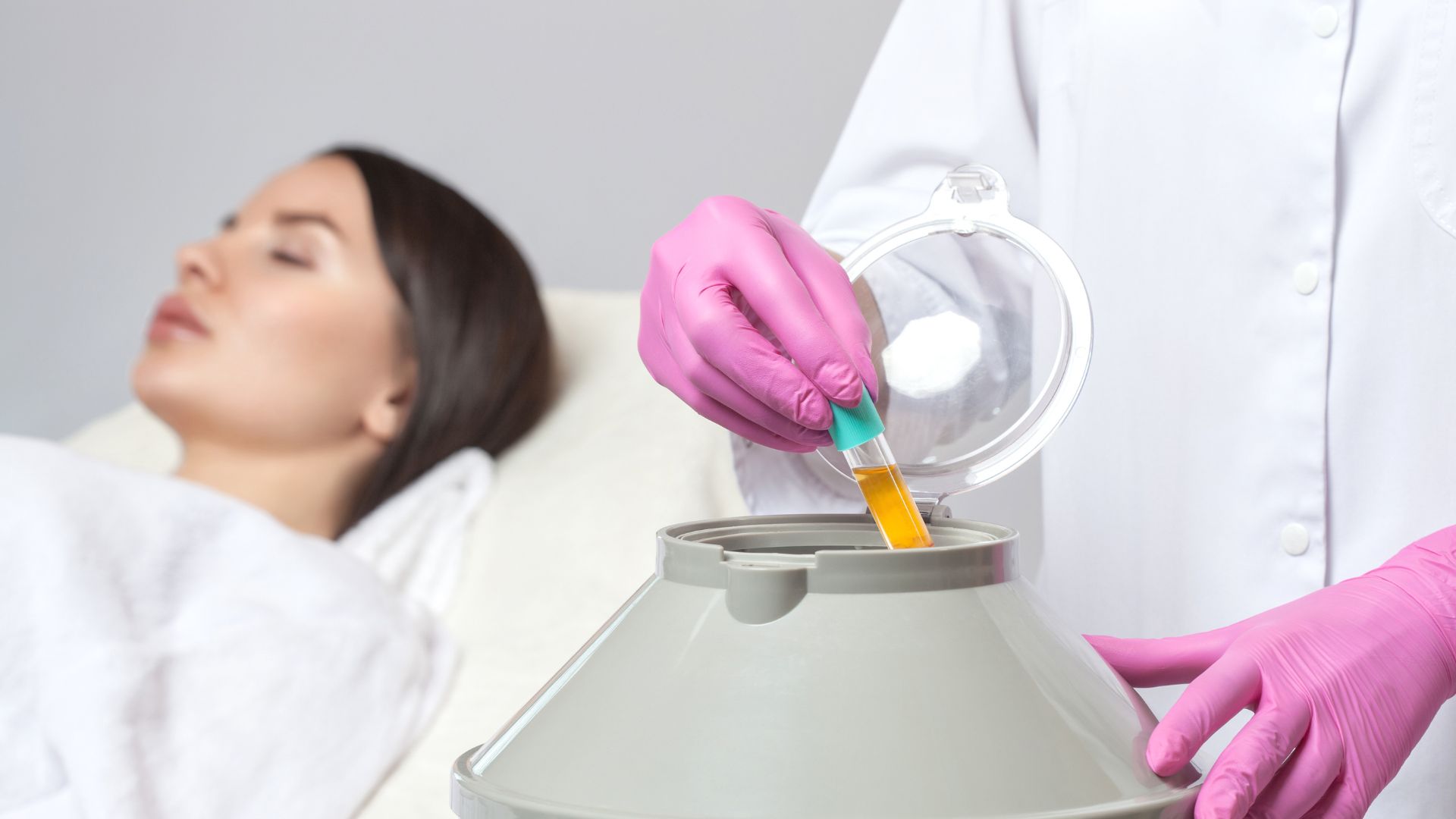
Your first PRP treatment begins with a blood draw. The blood is placed into a centrifuge, which spins it to separate and concentrate the platelet rich plasma. Then the PRP is injected into targeted thinning areas of the scalp.
You may feel pressure, tenderness, or mild soreness afterward. Some patients go back to normal activities the same day, though your care team will give you specific aftercare instructions.
Will you see new hair after the first visit?
Probably not.
And that’s normal.
The first session is more about starting the biological signal. Behind the scenes, your scalp is receiving growth factors that may support the follicle environment. But visible hair regrowth takes longer because hair grows slowly, usually at its own stubborn pace.
Treatment 2: Building Momentum
Your second session usually happens about 4 to 6 weeks later.
At this point, some patients may notice less shedding. Others notice nothing yet. Both can be normal.
This is where people sometimes get nervous. They think, “Shouldn’t I see something by now?”
Not always.
Hair regrowth is not a straight line. It’s more like watching grass grow after reseeding a patchy lawn. You water it. You wait. You wonder if anything is happening. Then one morning, tiny green shows up.
Not dramatic. But real.
Treatment 3: Completing the Initial Series
The third session finishes the starting protocol.
By now, your scalp has had repeated exposure to PRP over a period of several months. This gives the treatment a better chance to support follicles through the early stages of the growth cycle.
Some patients begin seeing early signs around this time, such as:
Thicker feeling hair
Less shedding
Small new hairs around thinning areas
Better texture or density
A part that looks a little less wide
The keyword is “early.”
PRP results usually do not arrive all at once. They creep in. Slowly. Then one day your hair just looks a little better in photos, and you realize something has changed.
When Will You See Results From PRP for Hair Loss?
Most patients should give PRP about 6 months before judging visible regrowth.
That doesn’t mean nothing happens before 6 months. Some people may notice reduced shedding or subtle texture changes earlier. But for visible regrowth, 6 months is a more realistic checkpoint.
Cleveland Clinic notes that PRP results can take months, and hair growth improvements are not instant. Some protocols use several initial treatments, followed by maintenance. (Cleveland Clinic)
So if you’re 6 weeks in and staring at your scalp under harsh bathroom lighting, take a breath. That lighting is rude anyway.
Hair needs time.
Why Does Hair Regrowth Take Around 6 Months?
Hair grows in phases. There is an active growth phase, a transition phase, and a resting phase. PRP does not force every follicle into action overnight. It supports the conditions that may help weak or sluggish follicles perform better over time.
That’s why the PRP hair treatment timeline is measured in months, not days.
A helpful way to think about it:
The first few weeks are about scalp response.
The next few months are about follicle activity.
The 6 month mark is when visible changes become easier to assess.
This is also why photos matter. Your eyes adjust to your reflection every day, so small changes can be hard to notice. Clinical photos give you a more honest comparison.
Not more flattering, necessarily. Just more honest.
Do You Need PRP Maintenance Treatments?
Yes, most patients need maintenance if they want to keep supporting their results.
Dr. Keene’s protocol includes yearly maintenance treatments after the initial 3 session series. This helps maintain the progress from the first round and gives the follicles continued support.
That part is important because many types of hair loss, especially genetic hair thinning, are ongoing. PRP does not “cure” genetic hair loss. It helps manage it.
A good analogy? Dental cleanings.
You don’t brush your teeth once, get a cleaning, and retire from oral hygiene forever. Maintenance keeps the gains from slipping away. Hair is similar. Annoying, but similar.
Is PRP Better for Early Hair Loss?
PRP tends to be a better fit for patients who still have active follicles in the thinning areas. That often includes people with early to moderate thinning, diffuse shedding, or miniaturized hairs that need support.
It may be less effective for areas that have been fully bald for a long time.
This is why a consultation matters. Dr. Keene can evaluate your scalp, pattern of loss, medical history, and goals before recommending PRP or another treatment plan.
Sometimes PRP is used alone. Sometimes it may be paired with other options, such as topical or oral medications, depending on the patient. Cleveland Clinic notes that PRP may be used with treatments like minoxidil or finasteride for some hair loss patients. (Cleveland Clinic)
The right plan depends on the person. Hair loss is common, but it’s not one size fits all.
Common Questions About PRP Hair Treatment
Can I get just one PRP treatment?
You can, but one session is usually not the full plan for hair regrowth. Dr. Keene recommends 3 treatments spaced 4 to 6 weeks apart because PRP works better with repeated sessions.
One treatment may give the scalp a boost, but the full series gives your follicles more consistent support.
Will PRP stop my hair from shedding?
It may help reduce shedding for some patients, but results vary. Some people notice shedding slows before they see new growth. Others need more time.
It’s also worth saying this gently: shedding can have many causes. Stress, hormones, thyroid issues, nutrition, medications, postpartum changes, and genetics can all play a role. PRP may be part of the answer, but a proper evaluation matters.
Does PRP grow brand new hair?
PRP may help stimulate weak or inactive follicles that are still present. It does not create new follicles. If the follicle is gone, PRP cannot bring it back.
That’s why earlier treatment often gives patients more options.
Is PRP painful?
Most patients tolerate it well, though scalp injections can feel tender or uncomfortable. The scalp has a lot of nerves, so yes, you may feel it. But the treatment is typically quick.
Your provider may use comfort measures to make the process easier.
How long do PRP results last?
Results vary, but maintenance is usually needed. Dr. Keene recommends yearly maintenance after the first 3 sessions to help preserve results.
Skipping maintenance may allow thinning to continue, especially if the underlying cause of hair loss is ongoing.
What Should You Expect Emotionally?
This part doesn’t always make it into medical blogs, but it should.
PRP requires patience. And patience can feel pretty annoying when you’re already worried about your hair.
You might inspect your scalp too often. You might compare your progress to someone else’s photos online. You might wonder if it’s working before your follicles have had enough time to respond.
That’s normal.
But PRP is a timeline treatment. The plan matters. The spacing matters. The follow up matters. And realistic expectations matter most of all.
You’re not looking for a miracle in week two. You’re looking for progress over months.
Small gains count. Less shedding counts. Better density counts. Stronger hair counts.
The Bottom Line: 3 Treatments First, Then Give It Time
So, how many PRP treatments for hair loss do you need?
For Dr. Keene’s protocol, the answer is usually 3 PRP treatments spaced 4 to 6 weeks apart, followed by about 6 months to assess regrowth and yearly maintenance to help support long term results.
PRP is not instant. It’s not magic. But for the right candidate, it can be a smart, non surgical way to support healthier hair growth.
If you’re noticing thinning, shedding, or a widening part, don’t wait until the follicles are too far gone. Schedule a consultation with Dr. Keene to find out whether PRP for hair loss is right for you.