If you’ve been searching what PRP is for hair loss, here’s the simple answer: PRP is a hair restoration treatment that uses concentrated platelets from your own blood to support healthier, thicker hair growth.
It sounds a little sci-fi at first. Blood draw. Centrifuge. Injections. Growth factors. All the medical words show up at once.
But the idea is pretty straightforward.
Your blood already contains platelets that help with healing and repair. With PRP, those platelets are separated, concentrated, and placed into areas of the scalp where hair follicles need support. The goal is to wake up weak follicles, improve the growth environment, and help thinning hair look stronger over time.
Not overnight. Not magically. But gradually, with the right patient and the right treatment plan.
So, What Is PRP for Hair Loss?
PRP stands for platelet rich plasma. It’s a concentrated part of your blood that contains platelets, proteins, and growth factors.
In hair restoration, PRP is injected into the scalp to help stimulate follicles that are still alive but not performing well. Think of it like giving struggling plants better soil and nutrients. The plant still has to be there. PRP does not create brand new hair follicles out of nothing, but it can help existing follicles work better.
That distinction matters.
PRP hair treatment is often used for men and women with early thinning, diffuse shedding, a widening part, or hair that feels weaker than it used to. It may also be used as part of a broader hair restoration plan, depending on the cause and stage of hair loss.
Here’s the Thing: PRP Uses Your Own Blood
Honestly, this is one of the reasons many patients like PRP. It uses your own blood, not donor tissue or synthetic material.
Here’s how the process usually works:
- A small amount of blood is drawn from your arm
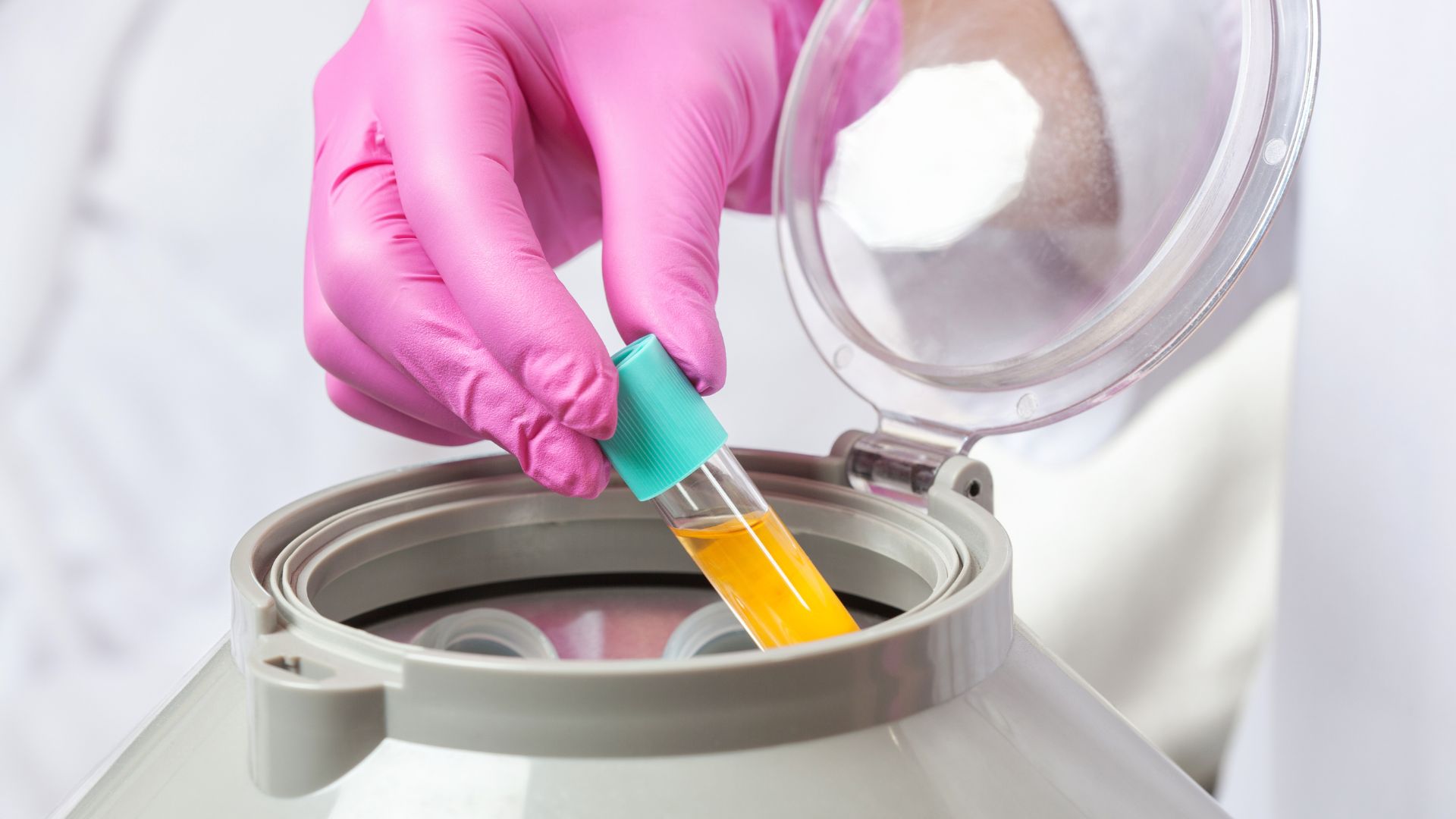
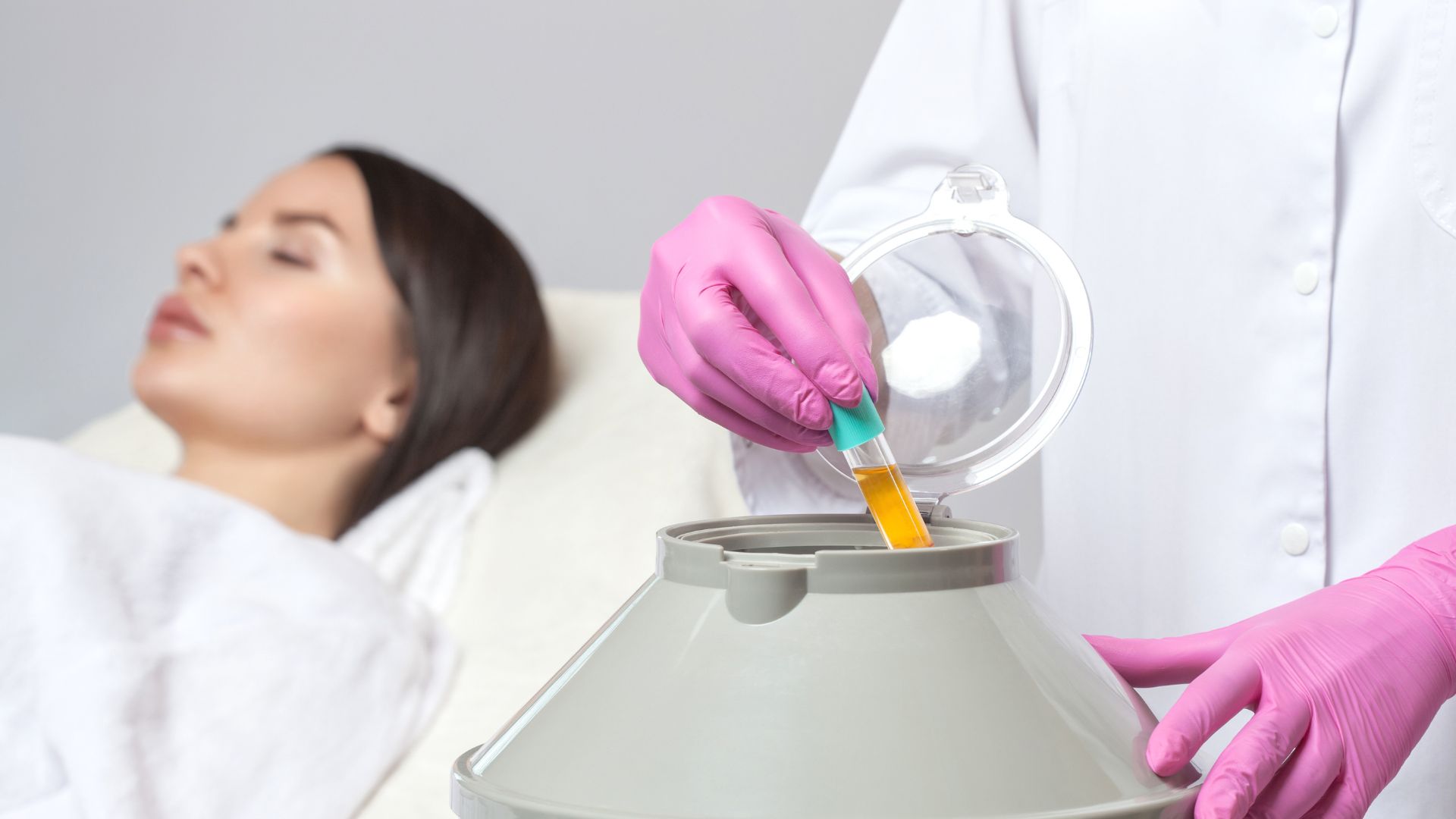
- The blood is placed into a centrifuge
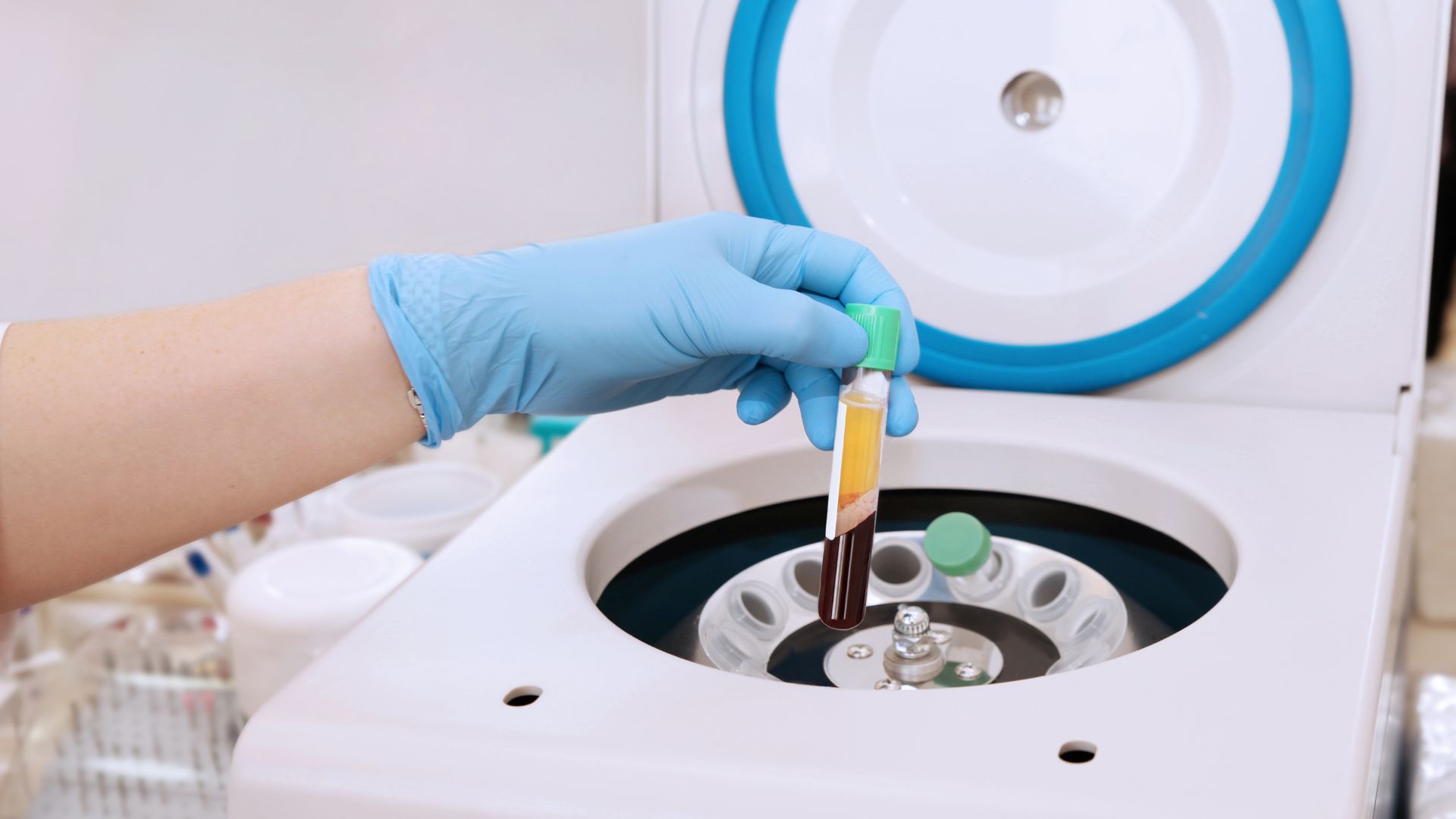
- The centrifuge spins the blood to separate its components
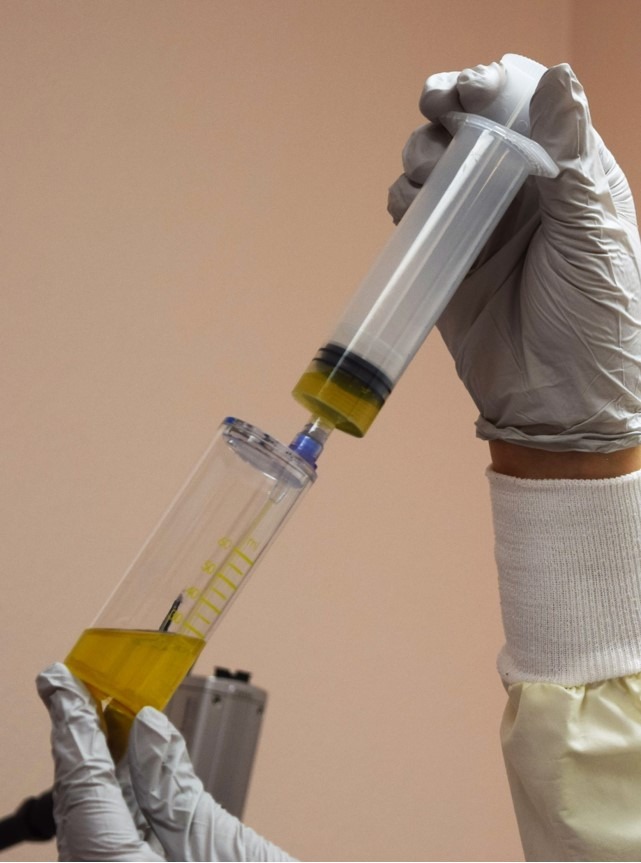
- The platelet rich plasma is collected
- The PRP is injected into targeted areas of the scalp
The centrifuge part is key. It separates the blood into layers, allowing the provider to isolate the plasma that contains a higher concentration of platelets. That concentrated plasma is the treatment.
Simple? Pretty much. Precise? Absolutely.
This is where technique matters. PRP is not just “spin blood and inject it.” The way the blood is processed, where the injections are placed, and how the treatment plan is built can all affect the outcome.
How Does PRP Help With Hair Growth?
Hair follicles are tiny, but they’re busy. They move through growth, rest, and shedding cycles. When follicles start to shrink or weaken, hair can become thinner, shorter, and less dense.
PRP may help by delivering growth factors directly around the follicle area. These growth factors can support better blood flow, improve cellular activity, and encourage follicles to stay in the active growth phase longer.
In plain English?
PRP gives weak follicles a stronger signal to keep working.
That’s why platelet rich plasma hair regrowth is not really about growing hair where there are no follicles left. It’s about supporting follicles that are still present but underperforming.
You know what? That’s actually good news for the right person. If you’re catching hair loss early, PRP may help slow the slide before thinning becomes more advanced.
Who Is a Good Candidate for PRP Hair Treatment?
PRP tends to work best for people who still have active hair follicles in the thinning area.
You may be a good candidate if you have:
- Early stage hair thinning
- A widening part
- Mild to moderate density loss
- Increased shedding
- Thinner or weaker hair strands
- Hair loss caused by genetics, stress, hormones, or aging
PRP can be used for both men and women. It’s especially helpful when the goal is to strengthen existing hair and support better density.
But let’s be clear. PRP is not the right answer for every type of hair loss.
If an area is completely bald and the follicles are no longer active, PRP may not do much there. In that case, a hair transplant or another treatment may be a better conversation. The goal is not to sell you on one treatment. The goal is to figure out what your scalp actually needs.
That’s why a consultation matters.
What Happens During Dr. Keene’s 3 Treatment Protocol?
Dr. Keene’s PRP protocol typically includes 3 treatments. This gives the follicles repeated support instead of expecting one session to do all the heavy lifting.
Hair growth is slow. Annoyingly slow, sometimes. So PRP is usually done as a series because follicles need time and repeated stimulation to respond.
During each visit, your blood is drawn, processed in a centrifuge, and the PRP is injected into the thinning areas of the scalp. The actual injection portion is usually much shorter than patients expect.
The full plan is designed to help support:
- Better follicle activity
- Stronger existing hair
- Improved hair thickness
- Reduced visible thinning over time
Some patients may need maintenance treatments later, depending on their hair loss pattern and long term goals. Hair loss can be stubborn, especially when genetics are involved, so maintenance is often part of the real conversation.
Not glamorous. Just honest.
Does PRP Hurt? What About Downtime?
Most patients describe PRP as tolerable, not exactly spa day relaxing, but very manageable.
You may feel small pinches or pressure during the scalp injections. The scalp can be tender afterward, and some people notice mild redness or soreness for a short time.
The nice part? Downtime is usually minimal. Many patients return to normal activities the same day or the next day, depending on their comfort level and Dr. Keene’s aftercare instructions.
You may be asked to avoid certain hair treatments or harsh scalp products for a few days after treatment. This gives the scalp time to settle without extra irritation.
When Will You See Results?
PRP results take time because hair takes time.
Some patients notice less shedding first. Others notice their hair feels thicker or stronger before they see a visible change in photos. More noticeable improvements often appear over several months as the hair cycle responds.
This is not a “walk in thin, walk out thick” kind of treatment.
It’s more like going to the gym for your follicles. One session helps, but the series is where the plan starts to make sense. The results build slowly, then suddenly you may notice your part looks a little tighter, your ponytail feels a little fuller, or your scalp is not showing as much in photos.
Small wins count. With hair, they really do.
Is PRP Hair Treatment Worth It?
PRP can be worth it if you’re a good candidate and you understand what it can and cannot do.
It can help support thinning hair. It can help strengthen weak follicles. It can improve the look and feel of existing hair. It may also fit well into a larger hair restoration plan.
But PRP is not a miracle cure. It does not stop genetic hair loss forever. It does not replace a transplant when hair loss is advanced. And it works best when treatment starts before too much density is gone.
That’s the sweet spot: early enough to help, targeted enough to matter, and realistic enough to avoid disappointment.
Ready to See If PRP Is Right for You?
If you’re noticing thinning hair, increased shedding, or a widening part, PRP may be a smart next step.
Dr. Keene’s 3 treatment PRP protocol is designed to support natural hair regrowth using your body’s own platelet rich plasma. The first step is a consultation to see whether your follicles are still active and whether PRP fits your hair restoration goals.