If you’ve spent any time researching hair transplants, you’ve probably stumbled into the FUT vs. FUE debate pretty quickly. It’s one of those topics where everyone seems to have a strong opinion — surgeons, hair loss forums, YouTube comments, you name it. And at the center of that debate is one of the most common questions people ask before booking a consultation: Does FUT actually get you more grafts?
Short answer? Often, yes. But the longer answer — the one that actually matters for your situation — is a bit more nuanced than that. Let’s work through it properly.
What’s Actually Happening When Surgeons Count Grafts
Before we get into the FUT vs. FUE comparison, it helps to understand what a “graft” even is. A graft isn’t just a single hair. It’s a follicular unit — a naturally occurring bundle of one to four hairs grouped together, embedded in a tiny section of tissue. When a surgeon harvests grafts, they’re trying to keep these bundles intact, because that’s what grows back into natural-looking hair.
Here’s the thing most people don’t realize: your donor area — the strip of hair at the back and sides of your head — has a finite number of these follicular units. You’re born with what you’ve got. No method, no matter how advanced, creates new ones. Both FUT (Follicular Unit Transplantation) and FUE (Follicular Unit Extraction) pull from the same donor reservoir. The real question is how efficiently each technique accesses it.
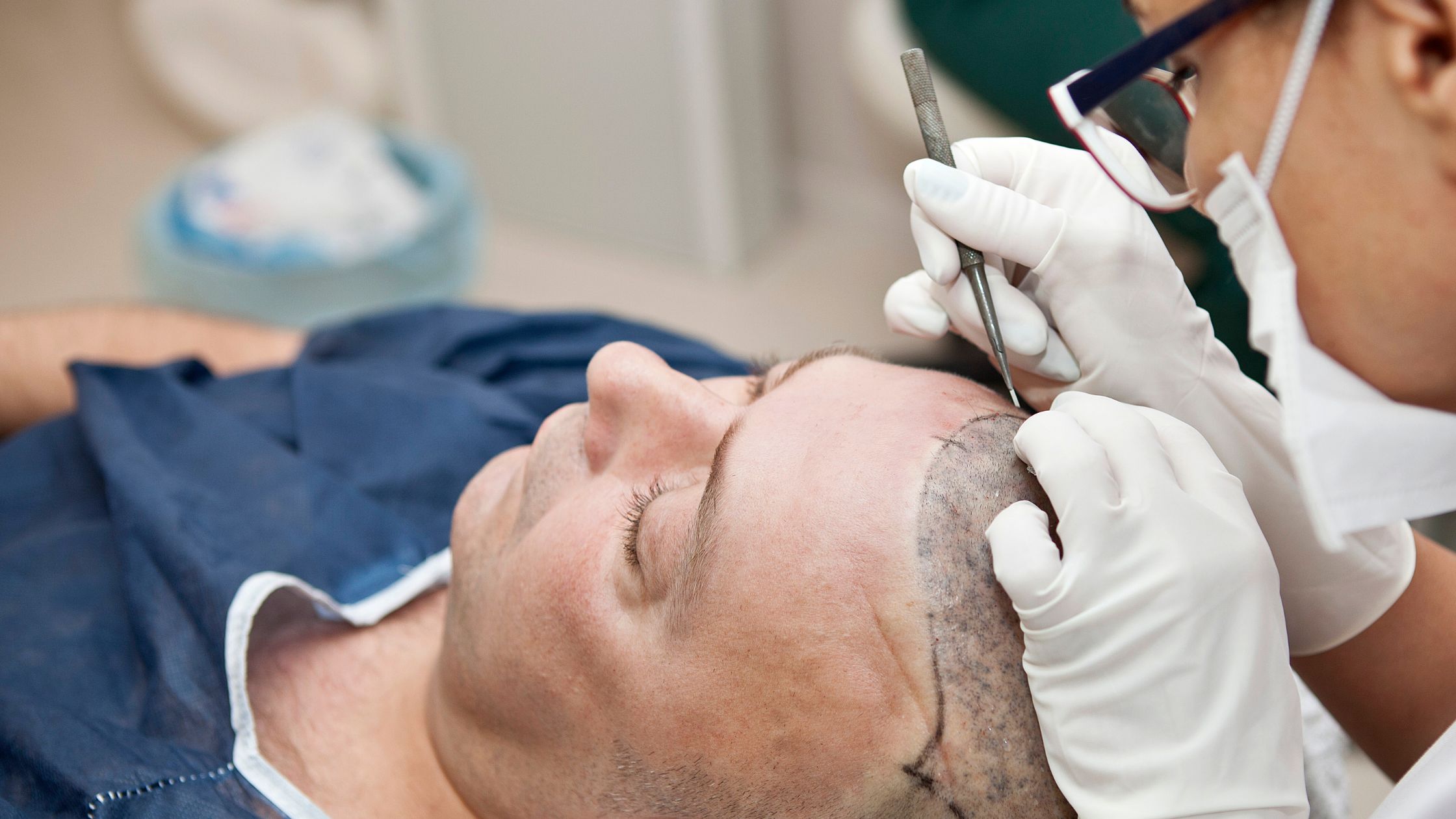
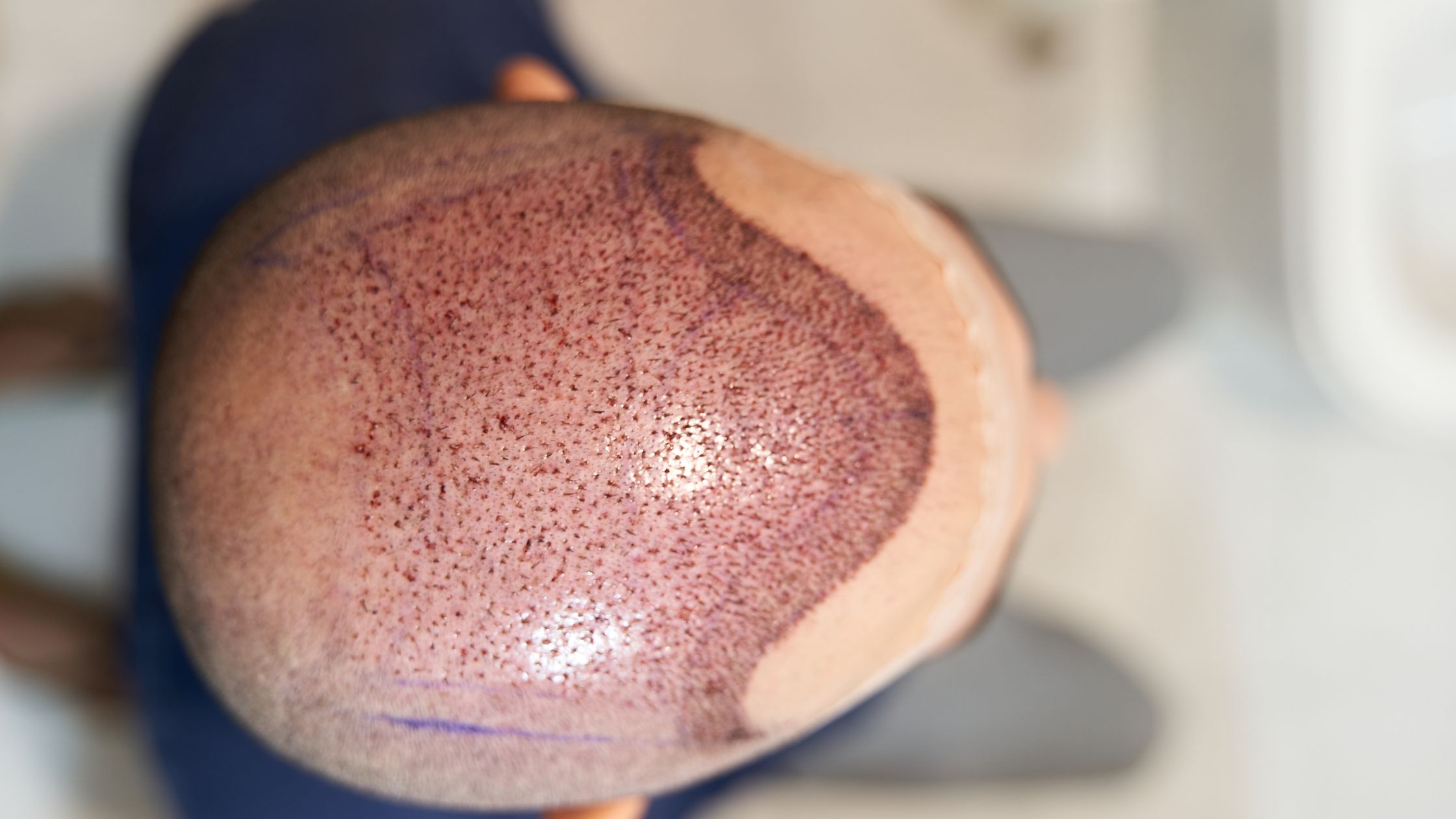
FUT works by removing a linear strip of scalp tissue, usually from the back of the head. The strip is then dissected under microscopes by a team of skilled technicians who carefully separate individual follicular units. FUE, on the other hand, punches out individual follicular units directly from the scalp — one at a time, using a small circular tool called a punch.
That distinction matters more than it might seem at first glance.
The Graft Yield Argument
Here’s where it gets interesting. FUT can often deliver a higher total number of viable grafts in a single session, and there are a few concrete reasons why.
First, the strip harvesting method gives surgeons and their technicians a controlled environment for dissection. Under high-powered microscopes, the follicular units are separated with surgical precision — less guesswork, less trauma to the tissue. Transection rates (that’s when a follicle is accidentally cut or damaged during extraction) tend to be lower with FUT compared to FUE when the FUE extraction is anything less than expert-level. Even among skilled FUE practitioners, transection rates of 5–15% aren’t unusual. With good FUT dissection, that number can drop considerably.
Second, a strip from a high-density donor area can yield a remarkable number of grafts. It’s not uncommon for a single FUT session to produce 3,000 to 4,000+ grafts — sometimes even more for patients with generous donor density and good scalp laxity. FUE sessions, while improving all the time, typically max out around 2,000 to 3,000 grafts per day before fatigue, time constraints, and tissue trauma start to affect quality.
Think of it this way: FUT is like harvesting wheat by cutting a neat row with a scythe, while FUE is more like picking individual grains by hand. Both get wheat — but one scales faster.
There’s also something called the “safe donor zone” — the area on the back of your head where hair is genetically resistant to DHT (the hormone responsible for male and female pattern hair loss). FUT’s linear strip is typically taken right from the heart of this zone. FUE extractions, because they need to be spread out to avoid visible thinning, sometimes venture toward the edges of this safe area, which can affect long-term results.
But FUE Has Closed the Gap
Honestly, it would be a disservice to this topic not to acknowledge how much FUE has evolved. A decade ago, the graft yield difference between the two techniques was more dramatic. Today, in the hands of an experienced surgeon with a skilled team, FUE results have become genuinely impressive.
Modern FUE tools — motorized punches, WAW systems, ARTAS robotic systems — have reduced transection rates significantly. Some clinics offering FUE report yields that rival FUT, at least for single sessions. And for patients who want to wear their hair very short, FUE’s lack of a linear scar is a major lifestyle advantage.
There are also patients for whom FUT simply isn’t an option. Poor scalp laxity (a tight scalp that doesn’t stretch well) can limit how wide a strip can safely be taken — and a smaller strip means fewer grafts. Body hair transplants, repair cases, and patients who’ve already had a prior FUT procedure may be better candidates for FUE.
So, while FUT still generally has the edge in maximum graft yield per session, it’s not a universal winner. The best technique depends on factors like your scalp laxity, hair caliber, donor density, hair loss stage, and — maybe most importantly — the skill level of the surgeon you’re choosing.
One thing worth mentioning: the quality of grafts matters just as much as quantity. 2,500 perfectly harvested grafts will outperform 3,500 damaged ones every single time. A high graft count means nothing if transection rates are sky-high or if the follicles were kept outside the body too long before implantation.
So Which One Should You Actually Choose?
This is the question everyone wants a clean answer to, and the frustrating reality is: it depends.
If your primary goal is maximum coverage in one session — say, you’re dealing with advanced hair loss (Norwood 5, 6, or 7) and you need a large number of grafts to make a meaningful visual difference — FUT is worth a serious conversation with your surgeon. The higher graft yield, lower transection rates with experienced technicians, and ability to tap deeply into the safe donor zone are real advantages for high-demand cases.
If, on the other hand, you prefer to avoid a linear scar, plan to keep your hair short, have limited scalp laxity, or simply don’t need a mega-session, FUE could absolutely meet your needs — especially at a clinic that specializes in high-volume FUE with modern extraction tools.
A few things worth discussing during any consultation:
- Your Norwood Scale stage: More advanced hair loss generally requires more grafts, which tends to favor FUT.
- Donor density and laxity: These are measurable factors your surgeon can assess in person.
- Lifestyle preferences: Scar visibility is a real concern for many patients, and it’s completely valid.
- Staged procedures: Some surgeons recommend a combination approach — FUT first to maximize yield from the strip, then FUE later to harvest from areas the strip didn’t cover.
There’s also the question of surgeon experience. FUT is technically demanding, particularly the microscopic dissection phase. FUE requires a different kind of skill — spatial awareness, consistency under fatigue, and excellent punch technique. Neither is easy to do well. A mediocre FUT result can leave a wide, visible scar and damaged grafts; a mediocre FUE can leave a moth-eaten donor area. Always, always prioritize the surgeon’s track record over the technique label.
FUT does generally offer the potential for higher graft numbers in a single session, and for many patients dealing with significant hair loss, that numerical advantage translates into a more impactful cosmetic outcome. But “more grafts” isn’t the whole story. Graft survival, natural-looking placement, donor area preservation for future procedures, and your own lifestyle all factor into what “better” actually means.
The best move you can make is to consult with a board-certified hair restoration surgeon — ideally one experienced in both techniques — who can assess your specific donor characteristics and give you an honest read on what’s realistic for your situation. No forum thread or article (yes, including this one) can replace that conversation.