Let’s be honest — the moment most people hear “hair transplant,” their mind jumps straight to one image: a freshly shaved head, sitting under harsh clinic lights, looking like they just signed up for boot camp. It’s one of the biggest fears people bring up during consultations, and honestly, it makes sense. You’ve spent months — maybe years — agonizing over thinning hair, and now someone’s suggesting you go completely bald first? That feels a little counterintuitive, doesn’t it?
Here’s the thing, though. The answer isn’t as simple as a flat yes or no. With FUT (Follicular Unit Transplantation) specifically, the shaving situation is more nuanced than most people expect. And understanding exactly what happens — and why — can take a lot of the anxiety out of the process before you even step foot in a clinic.
So What Actually Happens to Your Hair During a FUT Procedure?
FUT, sometimes called the “strip method,” involves removing a thin strip of scalp tissue — usually from the back of the head, where hair growth is genetically resistant to balding. That strip gets divided into individual follicular units under a microscope, and those grafts are then transplanted into the thinning or balding areas.
Now, here’s where shaving enters the picture — and here’s where it gets interesting.
Unlike FUE (Follicular Unit Extraction), which involves harvesting individual follicles one by one across a broader area, FUT only requires work on a single, defined strip at the back of your scalp. That’s the key difference. The donor zone is concentrated, not spread out. Which means — and this surprises a lot of people — a full head shave is not typically required for FUT.
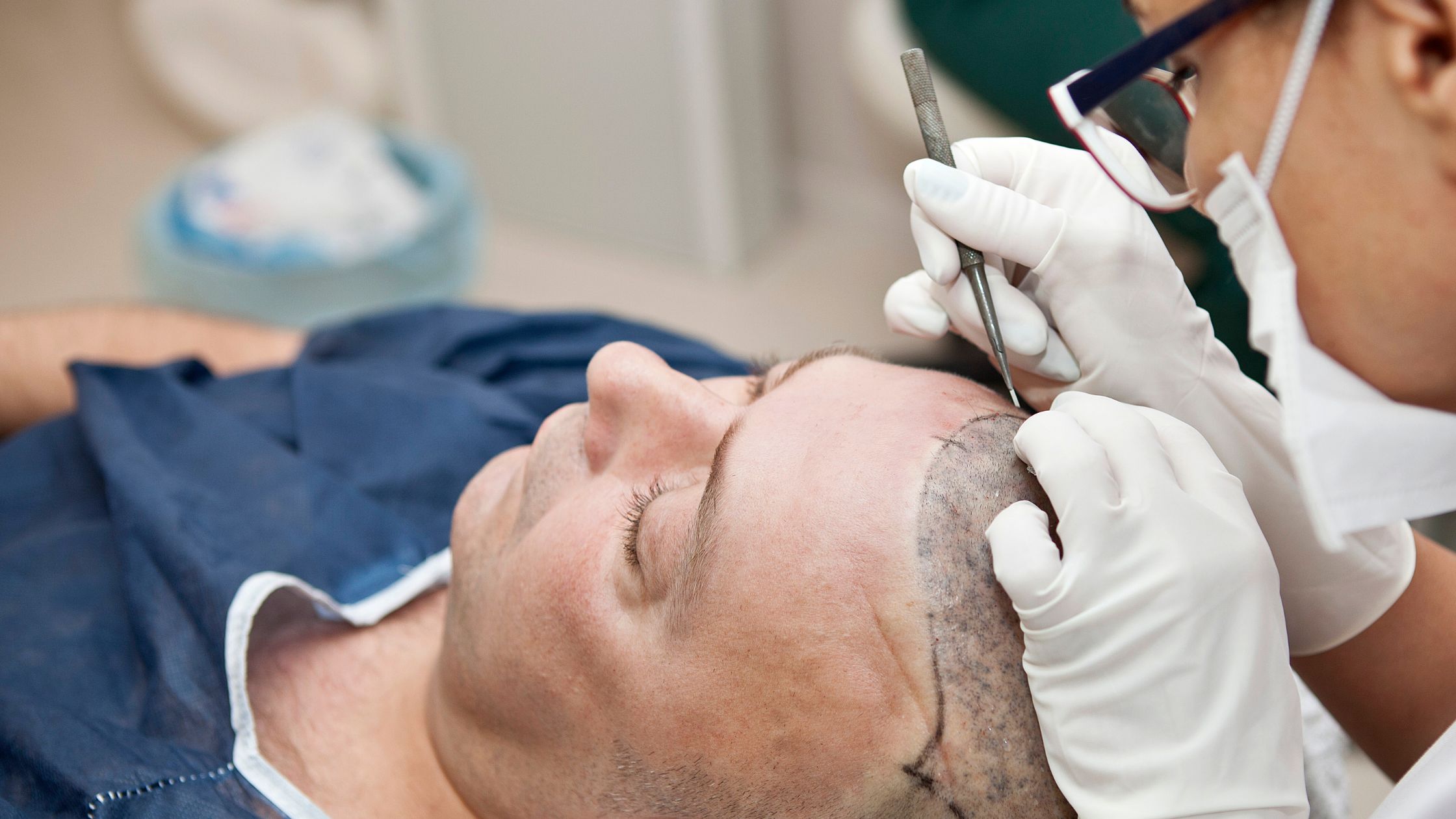
Most surgeons will only trim or shave a narrow strip of hair at the back of the scalp, roughly the width of the harvested tissue. That strip is usually only about 1 to 1.5 centimeters wide. The hair above and below that strip? It stays. And once the surgery is done, the surrounding hair naturally falls down and covers the stitched area almost completely.
So if you walked into a clinic with longer hair on top, you’d likely walk out looking pretty close to how you came in — minus a thin hidden line at the back that nobody around you would even notice.
Does That Mean Nobody Ever Shaves for FUT?
Not exactly. Here’s the mild contradiction worth explaining.
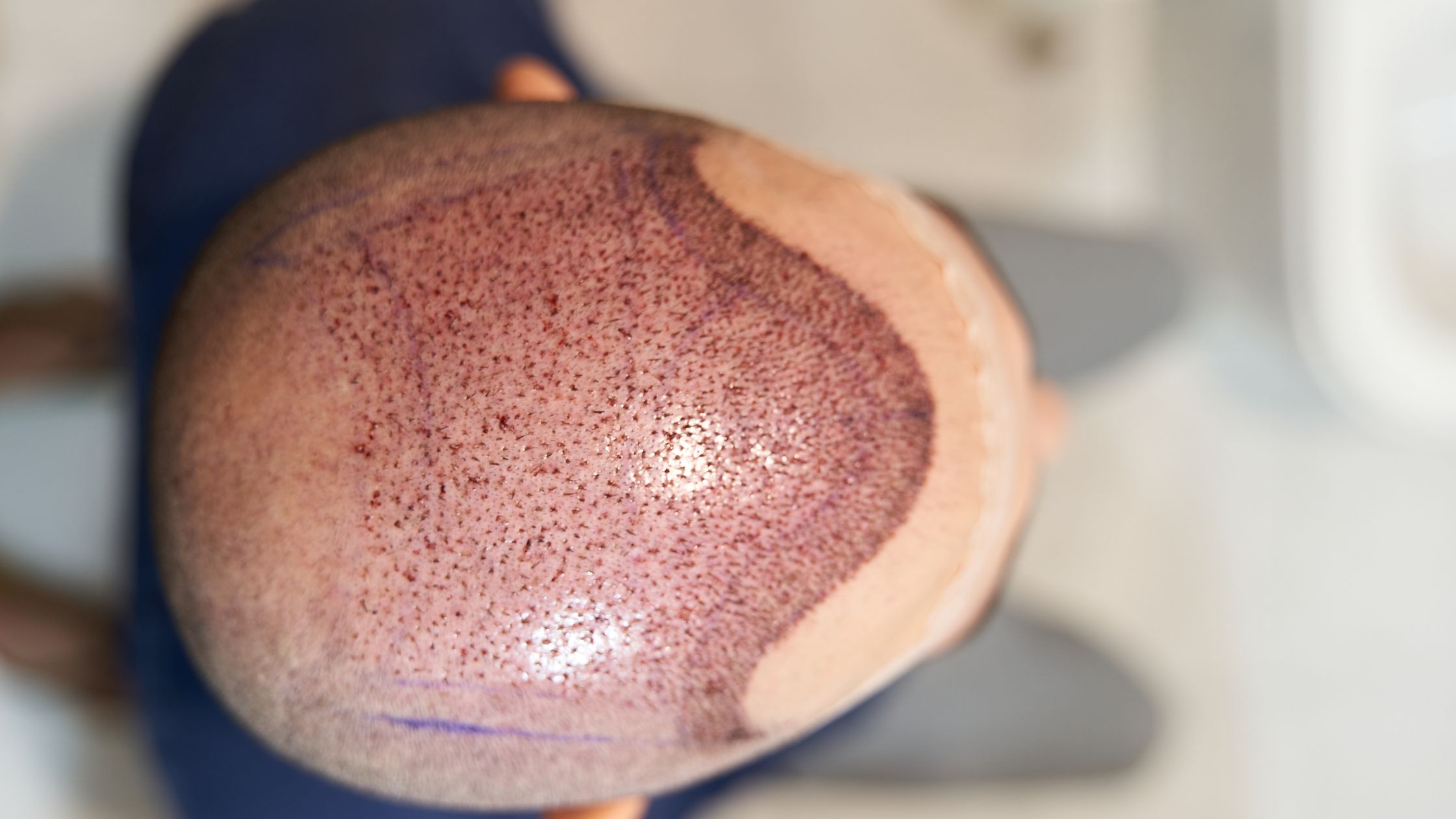
While full head shaving isn’t the standard for FUT, some clinics and surgeons do prefer to shave the recipient area (the front or top of your scalp where the grafts are being placed). Others don’t. It depends heavily on the surgeon’s technique, the size of the transplant session, and — importantly — the density and length of your existing hair.
If you’re getting a large session, say 2,500 grafts or more, working around long existing hair in the recipient zone can be genuinely challenging. Some surgeons find it easier and more precise to trim the area down. Others have developed techniques to work through existing hair without shaving at all, placing grafts between existing follicles with impressive accuracy.
The honest truth? The “no shave” approach in the recipient area is a skill — and not every surgeon performs it equally well. If avoiding visible shaving is a priority for you, it’s absolutely worth asking about during your consultation. Ask specifically: “Will you be shaving my recipient area?” and “What does the typical appearance look like immediately after surgery?” A good surgeon will walk you through exactly what to expect.
And don’t be shy about it. This is your head. Your appearance matters — not just after healing, but during recovery too.
The Recovery Timeline and What Your Hair Actually Looks Like
Recovery after FUT is one of those topics that doesn’t get enough airtime, and yet it’s often what people worry about most. So let’s talk about it plainly.
In the days immediately following surgery, you’ll have small scabs forming around the transplanted grafts. The back of your head will have a linear scar (the hallmark of FUT) that’s closed with stitches or staples, typically removed after 10–14 days. There’s some swelling — usually peaking around days 2–4 — and tenderness. It’s not glamorous, but it’s manageable.
Here’s what most people don’t anticipate: around weeks 2–4, the transplanted hairs shed. This is called “shock loss,” and it’s completely normal. You plant the grafts, they grow a little, then they fall out. The follicles are still alive beneath the surface — they’re just cycling through a resting phase before new growth kicks in. For a lot of patients, this shedding phase is emotionally harder than the surgery itself because it looks like the procedure failed. It hasn’t. Patience becomes the real medicine here.
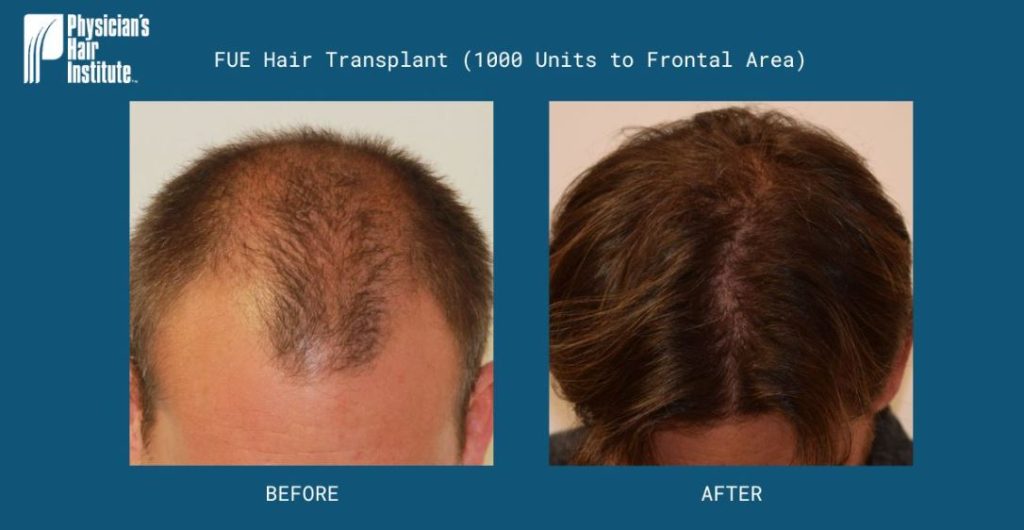
Noticeable new growth usually starts appearing around months 3–4. By month 6, you’re seeing real progress. The full result — the one you can actually evaluate and show off — typically reveals itself between 12 and 18 months post-surgery.
Now, in terms of appearance during recovery: if your top hair wasn’t shaved, it will help camouflage the early grafting sites fairly well. Gentle styling, light hats (once cleared by your surgeon), and strategic parting can do a lot. Most people can return to a desk job within 5–7 days looking fairly normal to casual observers. A closer inspection? Different story. But day-to-day life? Very manageable, especially compared to what people fear going in.
FUT vs. FUE — The Shaving Comparison That Actually Matters
Since we’re on the topic, it’s worth pulling back and comparing FUT to FUE on this specific point — because the difference is real and it matters for people who are weighing both options.
FUE requires harvesting individual follicles scattered across a wide donor area at the back and sides of your head. To do this accurately without missing follicles or causing damage, most FUE surgeons require shaving the entire donor zone — sometimes the entire back of the head. If you’re getting a sizeable FUE session, you may genuinely need a full shave, or at minimum a very close buzz cut across the donor area.
There are “unshaven FUE” techniques (sometimes marketed as U-FUE), where the hair is left longer and individual follicles are extracted through the existing hair. These exist, they work, but they take significantly longer, are more expensive, and not every clinic offers them.
FUT, by contrast, is inherently more discreet on the shaving front — because of how the donor tissue is collected. One strip, one small shaved area, hidden under the surrounding hair. Many patients with medium to long hair can leave a FUT procedure looking essentially the same from the front and sides. The back? You’ll have a small hidden scar, but even that heals well and becomes nearly invisible under hair.
So if avoiding visible shaving is genuinely important to you — say, you can’t take extended time off work, or you have an event coming up, or you simply can’t face the idea of walking around with obvious surgery signs — FUT deserves serious consideration on that basis alone.
That said, FUT does leave a linear scar, and FUE generally doesn’t. If you ever want to wear your hair very short — a number 1 or 2 buzz cut — that scar may become visible. It’s a trade-off. No procedure is perfect; they’re just different sets of compromises.
What to Ask Your Surgeon Before Committing
Before wrapping up, a few practical things worth keeping in mind if you’re seriously considering FUT:
Choose a surgeon who specializes in hair restoration — not a general plastic surgeon who does a bit of everything. Board certifications from organizations like the International Society of Hair Restoration Surgery (ISHRS) are a meaningful marker of dedication to the field. Look at before-and-after photos specifically of FUT patients with hair lengths similar to yours.
Ask about their specific shaving protocol. Do they shave the donor strip only? Do they also shave the recipient area? What does the immediate post-op appearance look like? These aren’t awkward questions — they’re standard, and any experienced surgeon will answer them without hesitation.
Think about your hair length now and going forward. If you’ve kept your hair longer, a FUT with minimal shaving can be genuinely low-profile during recovery. If you typically keep it very short, you might want to weigh the scar visibility question more carefully.
And finally — trust the timeline. The biggest mistake people make is judging the result too early. Month two looks rough. Month five looks promising. Month twelve looks like the reason you went through all of it in the first place.
You don’t have to shave your head for a FUT hair transplant. That’s the short answer. The longer answer is that a small portion of your donor area will be trimmed, your recipient area may or may not be shaved depending on your surgeon and the size of your session, and with thoughtful planning, the whole thing can be far less disruptive — visually and practically — than most people expect going in.
The fear of looking “obviously operated on” is real, but it’s also, for many FUT patients, a fear that turns out to be far bigger than the actual reality.